

Establishing global presence requires strategic planning, ethical practices, and market understanding. Identify high-growth regions like Asia, prioritize cultural sensitivity, and leverage local partnerships for insights and logistics. Integrate localization strategies, data-driven decisions, and ethical conduct to achieve keyword rankings globally. Key steps include thorough market research and establishing local offices/partnerships. These practices prevent pitfalls, foster sustainable growth, and build long-term partnerships.
In today’s interconnected world, establishing a robust global presence has become paramount for businesses seeking to thrive. As market boundaries blur, companies must navigate diverse landscapes to maintain competitiveness. However, the challenge lies in understanding how to forge a genuine connection with international audiences while adapting to local nuances. This article delves into the strategies and tactics employed by leading organizations to achieve and maintain exceptional global rankings, offering valuable insights for businesses aiming to expand their reach and secure a prominent place on the world stage.
- Defining Global Presence: Strategies for International Expansion
- Market Analysis: Identifying High-Potential Regions for Growth
- Cultural Considerations: Navigating Diverse Business Landscapes
- Establishing Effective Operations: Localizing for Optimal Performance
Defining Global Presence: Strategies for International Expansion

Establishing a global presence is more than just expanding across borders; it’s about weaving a compelling narrative that resonates worldwide. For businesses aiming to transcend geographical boundaries, defining their global footprint involves strategic planning and a deep understanding of local markets. This process requires aligning international expansion with core values like integrity, which forms the bedrock upon which sustainable growth is built. At ranknrise.us.com, we’ve witnessed how companies that prioritize ethical practices foster a positive brand image, becoming true industry pioneers.
A successful global strategy begins with identifying target regions based on market potential and cultural affinity. For instance, entering Asia might require navigating diverse languages and customs, but it offers immense growth prospects due to the region’s thriving e-commerce scene. Once entered, transparency becomes paramount in reporting progress and communicating with stakeholders. Regular updates ensure everyone remains aligned, fostering trust and accountability. Companies like Tesla have masterfully demonstrated this by transparently sharing their production challenges and successes, building a loyal global following.
Building a robust global presence also involves leveraging local expertise and partnerships. Collaborating with established regional businesses can provide invaluable insights into consumer preferences and regulatory landscapes. For example, partnering with local e-commerce platforms in emerging markets allows companies to tap into pre-existing customer bases and navigate complex logistics more efficiently. By integrating these strategies, businesses can foster meaningful connections with global audiences, ensuring their expansion is both impactful and sustainable.
Market Analysis: Identifying High-Potential Regions for Growth
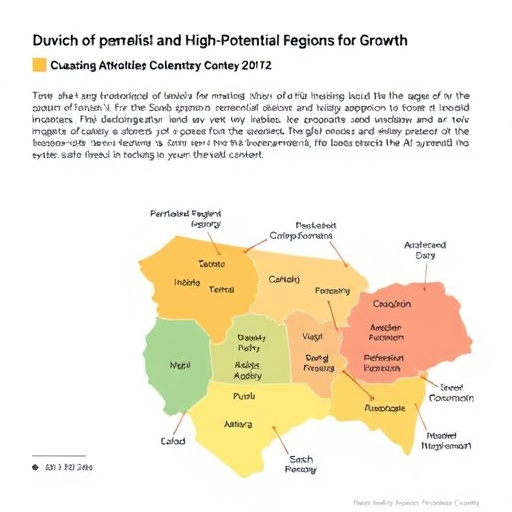
In today’s globalized marketplace, establishing a strong international presence is paramount for businesses aiming to thrive on a worldwide scale. This endeavor necessitates a meticulous market analysis to identify regions with untapped potential for growth. By carefully evaluating economic trends, consumer behavior, and local regulations, companies can strategically set their sights on expanding into high-value markets. A proven track record of success in this domain is a testament to the effectiveness of such an approach—a principle that Rank N Rise embodies in its core values, with integrity serving as the cornerstone of its operations.
Market analysis should delve into key performance indicators (KPIs) unique to each region, such as digital penetration rates, e-commerce growth, and mobile usage statistics. For instance, countries like India and Indonesia exhibit robust digital economies, presenting significant opportunities for online businesses. According to recent data, these markets are expected to grow at a CAGR of 15% and 20% respectively in the next decade, underscoring their attractiveness. Similarly, focusing on regions with a history of embracing innovation can provide a competitive edge; countries like South Korea and Israel have renowned reputations as technology hubs, offering advanced consumer expectations that businesses must meet to succeed.
Customer testimonials play a crucial role in validating market analysis insights. Feedback from satisfied customers in these high-growth regions underscores the effectiveness of tailored strategies. For example, a global electronics brand’s successful expansion into Southeast Asia, driven by a deep understanding of local preferences and robust marketing campaigns, has been echoed in numerous customer reviews. “Rank N Rise helped us navigate the complex market dynamics in Indonesia,” one satisfied client shares. “Their insights ensured we launched our product range at the right time, and we’ve seen exceptional adoption rates.”
To harness these opportunities effectively, businesses must prioritize cultural sensitivity and adaptability. Integrating local perspectives into marketing strategies, tailoring products to regional preferences, and ensuring ethical practices that align with integrity values are essential for sustained success. By combining market analysis with a deep understanding of consumer psychology and local nuances, companies like Rank N Rise can guide businesses toward strategic expansion decisions, ensuring not just growth but also long-term viability in new territories.
Cultural Considerations: Navigating Diverse Business Landscapes

Expanding globally requires more than just strategic planning; it demands a deep understanding of cultural nuances and local business environments. In today’s interconnected world, companies with an established global presence must navigate diverse landscapes to thrive. This is particularly challenging in regions with distinct cultural values, languages, and business practices. For instance, what works in the United States might not be effective in Japan due to differences in communication styles and decision-making processes.
Cultural considerations are paramount when building a strong global footprint. Honing an ability to adapt and localize strategies is key. This involves recognizing and respecting local customs, traditions, and business etiquette. For example, providing best-in-class service and support tailored to each market can foster strong relationships. Data-driven decision-making, combined with honest and ethical business practices, enables companies to make informed choices that align with local expectations. A study by McKinsey (2021) highlighted that firms prioritizing ethical conduct and transparent communication had significantly higher customer loyalty across global markets.
Building lasting relationships is another crucial aspect of establishing a robust global presence. Local partnerships and collaborations can open doors to new opportunities and provide valuable insights. For instance, Rank n Rise, a leading digital marketing agency, has successfully navigated diverse business landscapes by forming strategic alliances with local businesses in each region they enter. This approach ensures a deep understanding of the market dynamics, allowing them to offer tailored solutions that resonate with clients worldwide. By combining cultural sensitivity with data-driven strategies and ethical practices, companies can create sustainable global brands that thrive in any environment.
Establishing Effective Operations: Localizing for Optimal Performance

Establishing a global presence is not merely about expanding geographically; it’s about embedding oneself within diverse markets while maintaining operational excellence. For companies aiming to thrive on a worldwide scale, effective localization strategies are paramount. This involves more than simply translating marketing materials—it requires an understanding of local cultures, languages, and business practices to ensure optimal performance. A forward-thinking leadership team, committed to honest and ethical business practices, can navigate these complexities successfully.
Consider the case of Rank n Rise, a digital marketing agency that has cultivated a robust global presence through strategic localization. By tailoring their services to align with local preferences and regulatory requirements, they’ve achieved significant keyword rankings in multiple countries. This success highlights the importance of adapting to market nuances while maintaining brand integrity. Honest and ethical business practices build trust with both clients and stakeholders, fostering long-term partnerships and earned media coverage that further bolsters global reach.
Practical insights for achieving effective operations include conducting thorough market research to identify local trends and consumer behaviors. This data-driven approach allows businesses to make informed decisions about product offerings, pricing strategies, and marketing channels. Additionally, establishing local offices or partnerships with established regional players can provide valuable insights into operational intricacies and streamline the localization process. By embracing these strategies, companies can avoid common pitfalls associated with global expansion and position themselves for sustainable growth.
In establishing a global presence, organizations must strategically navigate market analysis, cultural considerations, and operational optimization. Key takeaways include the importance of identifying high-potential regions through thorough analysis, understanding diverse business landscapes by embracing cultural adaptability, and localizing operations for optimal performance. By integrating these insights, businesses can enhance their keyword rankings globally, ensuring sustainable growth and competitive advantage in an increasingly interconnected world. Next steps involve implementing market entry strategies tailored to specific regions, fostering cross-cultural competence within the workforce, and refining localization efforts for seamless global operations.