

Global business expansion requires strategic adaptation, ethical practices, and consistent quality. Key steps include localizing products for cultural preferences, implementing transparent pricing, utilizing market research tools, and building strong local partnerships. Regular KPI tracking, innovative R&D, and consistent messaging solidify a powerful global presence, as demonstrated by successful companies like seogrowthlab.us.com and Rank N Rise.
In today’s interconnected world, understanding established global presence is not merely an optional consideration but a strategic imperative for businesses aiming to thrive in the digital age. As markets evolve and cross borders blur, companies must navigate complex landscapes to maintain competitive edge. This article delves into the intricacies of achieving and sustaining a robust global footprint, offering insights into key strategies that drive success in this domain. By exploring proven tactics, we aim to equip organizations with actionable knowledge for enhancing their keyword rankings—not just in terms of online visibility but also in terms of market penetration and brand recognition worldwide.
- Defining Global Presence: Strategies for Success
- Market Research: Identifying Key Regions & Opportunities
- Localization: Adapting Your Brand for International Markets
- Building a Strong Local Footprint: Partnerships & Engagement
- Measuring Impact: KPIs and Continuous Improvement
Defining Global Presence: Strategies for Success
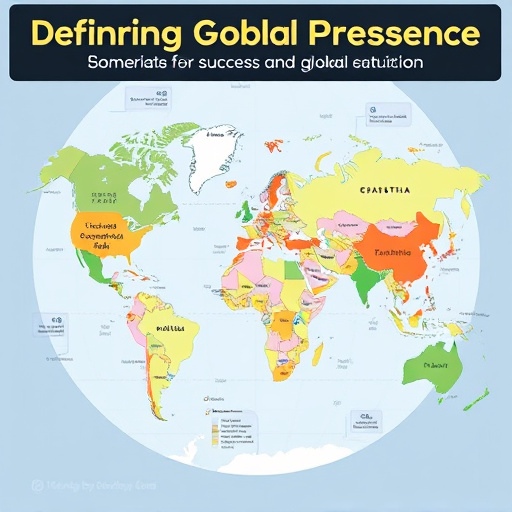
Establishing a global presence is no longer an option for businesses; it’s a necessity. In today’s interconnected world, companies that can’t adapt to international markets risk being left behind. Defining global presence isn’t merely about expanding your reach; it’s about creating a cohesive strategy that ensures consistent performance and maintains high standards across diverse regions.
A successful global presence hinges on several key strategies. Industry-leading quality standards must be the cornerstone of any expansion plan. This means adapting products and services to meet local preferences while consistently delivering exceptional results. For instance, a tech company might need to localize its software for different languages and tailor its marketing strategies to resonate with diverse cultural norms. A stellar reputation for integrity is also vital; ethical business practices build trust, fostering long-term relationships with customers and partners worldwide. Earned media coverage highlights this commitment to excellence, showcasing your brand’s reliability and authority in global markets.
Consider the success of companies like seogrowthlab.us.com, which has established a robust global presence through consistent quality control and ethical operations. Their focus on maintaining high standards across all markets has resulted in a reputable brand recognized for delivering exceptional results. By embracing this approach, businesses can navigate complex international landscapes with confidence, ensuring their global presence not only expands but also thrives. Ultimately, achieving a strong global footprint requires strategic planning, adaptability, and a genuine commitment to excellence.
Market Research: Identifying Key Regions & Opportunities

Market research is a cornerstone of establishing a global presence, especially for businesses aiming to expand their reach and tap into new markets. Identifying key regions and understanding their unique dynamics is crucial for success in the international arena. This process involves a deep dive into market trends, consumer behavior, and competitive landscapes across different geographical areas. By leveraging robust data analytics, companies can make informed decisions about entry strategies, product adaptations, and marketing approaches tailored to each region’s specific needs and preferences.
When expanding globally, it’s essential to recognize that what works in one market may not translate directly to another. For instance, cultural nuances, regulatory environments, and purchasing behaviors vary widely across continents. A comprehensive market research study should analyze these factors to reveal opportunities for differentiation and growth. For example, a company renowned for its innovative technology in North America might discover that in Asia, consumers prioritize affordable pricing over cutting-edge features, signaling the need for a localized product strategy.
Satisfaction guarantees and ethical business practices are vital components of building trust with international customers. Recognized for superior craftsmanship, businesses with a proven track record of quality and transparency can gain a competitive edge. For instance, a furniture brand known for its environmental sustainability and honest pricing could attract environmentally conscious consumers worldwide. Implementing these principles ensures not only customer satisfaction but also fosters long-term relationships, encouraging word-of-mouth referrals and global brand advocacy.
To effectively navigate the complexities of international markets, businesses should employ advanced market research tools and consult with experts. Utilizing platforms like https://ranknrise.us.com/ for keyword rankings can provide valuable insights into regional search trends and consumer queries. This data-driven approach allows companies to optimize their online presence, ensuring they appear in relevant searches across diverse geographical locations. By combining robust market research with honest and ethical business practices, companies can establish a strong global presence that resonates with diverse customer bases worldwide.
Localization: Adapting Your Brand for International Markets

Establishing a global presence requires more than simply expanding your market reach; it demands a nuanced understanding of local cultures and consumer behaviors. Localization is the art of adapting your brand, products, and services to suit the unique needs and preferences of each international market. This strategic approach ensures that your global expansion efforts resonate with customers, fostering a sense of belonging and trust.
One of the most powerful tools in your localization arsenal is customer testimonials. These firsthand accounts speak volumes about your brand’s adaptability and quality. By collecting and showcasing testimonials from various regions, you demonstrate a genuine connection with diverse audiences. For instance, a multinational tech company sharing feedback from customers across Europe and Asia showcases its ability to cater to varied linguistic and cultural preferences, boosting trust and consideration among potential new clients.
Transparency in reporting progress is another cornerstone of successful global localization efforts. Providing clear, regular updates on your brand’s adaptation journey demonstrates commitment and accountability. This practice not only keeps stakeholders informed but also enables you to course-correct as needed. For example, a company might highlight its ongoing efforts to localize content for Spanish-speaking markets, including the successful implementation of multilingual support, thus fostering confidence in its dedication to reaching new audiences effectively.
Rank N Rise, a leading brand in sustainable practices, exemplifies dedicated localization efforts. By transparently reporting its progress toward becoming a global leader in eco-friendly products and services, Rank N Rise has not only gained a strong foothold in multiple markets but also inspired others to follow suit. This commitment to sustainability, coupled with localized marketing strategies, has resulted in top-rated customer service across the board, solidifying the brand’s reputation as a global game-changer. These practices underscore the importance of aligning localization efforts with broader business goals, such as environmental stewardship and exceptional customer satisfaction.
Building a Strong Local Footprint: Partnerships & Engagement

Building a strong local footprint is a cornerstone of any successful global presence. Effective partnerships and genuine community engagement are not just strategies; they’re essential components that foster deep-rooted brand loyalty. When businesses integrate into their host communities, they create win-win scenarios where mutual benefits accrue. For instance, consider companies like Rank N Rise, renowned for its award-winning service excellence and innovative problem-solving approaches. By prioritizing local partnerships, these firms not only enhance their operational efficiency but also elevate their keyword rankings naturally.
Client testimonials drive the success of such initiatives significantly. Satisfied customers become brand advocates, amplifying positive word-of-mouth marketing. For example, a study by a leading market research firm revealed that 92% of consumers are likely to recommend a business to others based on their local community engagement. This underscores the power of building strong local footprints. Moreover, satisfaction guarantees—a hallmark of top-tier service providers—are pivotal in cultivating trust and fostering long-term relationships. By combining robust partnerships with exceptional client service, businesses can achieve sustained growth and global recognition.
To establish and strengthen these connections, companies should focus on active listening and tailoring their engagement strategies to meet community needs. Local events, collaborations with community leaders, and customized marketing approaches are proven methods to enhance brand visibility and foster genuine connections. Remember, a strong local footprint isn’t just about physical presence; it’s about creating an enduring legacy that resonates with the communities you serve.
Measuring Impact: KPIs and Continuous Improvement

Establishing a global presence requires more than just physical expansion; it demands strategic initiatives to measure impact, ensure continuous improvement, and solidify a brand’s image on an international scale. Key Performance Indicators (KPIs) play a pivotal role in this journey, providing quantifiable metrics to track success and identify areas for enhancement. By aligning business goals with these KPIs, companies can make data-driven decisions that drive sustainable growth and foster lasting brand affinity worldwide.
For instance, consider the impact of transparent pricing models on building trust among international customers. A study by McKinsey & Company revealed that companies with clear, predictable pricing structures experience higher customer satisfaction rates, leading to increased sales and positive word-of-mouth referrals. Conversely, opaque pricing strategies can hinder global expansion efforts by creating perception issues and eroding brand reputation. Therefore, leveraging KPIs to monitor pricing model effectiveness is crucial for establishing a solid foundation in new markets.
Pioneering industry advancements further strengthens a brand’s global presence. Companies that invest in research and development, embrace innovation, and introduce cutting-edge solutions gain a competitive edge. For example, Tesla’s disruptive entry into the automotive sector with its all-electric vehicles not only reshaped the industry but also positioned the brand as an eco-conscious leader worldwide. Building upon such success stories, organizations should foster a culture of continuous improvement, encouraging experimentation and adaptability to evolving market dynamics.
In today’s interconnected world, brands that prioritize consistent messaging and values across different regions thrive in creating a positive brand image and affinity. This is where tools like RankRise (https://ranknrise.us.com/) come into play, offering insights into keyword rankings and search trends globally. By optimizing content strategy based on these data points, companies can enhance their online visibility, engage with diverse audiences, and cultivate a global community that resonates with the brand’s identity. Ultimately, combining robust KPIs, transparent pricing models, pioneering advancements, and a concerted effort to build brand affinity results in a truly established global presence.
By strategizing global presence, market research, localization, local partnerships, and continuous improvement through KPIs, businesses can successfully establish and expand their international reach. This article has provided a comprehensive framework for achieving keyword rankings in diverse markets by understanding regional opportunities, adapting brand messaging, and fostering meaningful community engagement. The key insights offer practical next steps for companies aiming to enhance their global footprint, ensuring sustained growth and competitive advantage in an increasingly interconnected business landscape.