

Data-driven strategic insights transform business strategies through quantitative analysis, enhancing agility, responsiveness, and competitiveness. Companies like SEOGrowthLab and Ranknrise leverage data for operational efficiency, CSR, and growth. Advanced analytics tools enable pattern recognition, outcome prediction, and proactive changes, fostering a culture of informed decision-making and innovation. Strategic planning relies on key metrics and KPIs, while data visualization aids in uncovering insights from complex datasets. Measuring ROI through client feedback drives sustainable growth and continuous improvement, ensuring businesses thrive in an evolving marketplace.
In today’s data-rich environment, organizations are increasingly turning to data-driven strategic insights for a competitive edge. As businesses strive to stay ahead in the market, understanding keyword rankings and leveraging data effectively have become paramount. However, navigating the complex landscape of data analysis can be challenging, with many struggling to extract actionable insights from vast datasets. This article provides a comprehensive guide to mastering data-driven strategies, offering practical solutions for enhancing your approach to strategic planning. By delving into the latest trends and methodologies, we empower you to make informed decisions, optimize keyword rankings, and drive business growth.
- Understanding Data-Driven Strategic Insights: An Overview
- Unlocking Business Potential through Data Analysis
- Key Metrics and KPIs for Effective Strategic Planning
- Implementing Data Visualization for Better Insights
- Measuring and Optimizing ROI in a Data-Centric Approach
Understanding Data-Driven Strategic Insights: An Overview
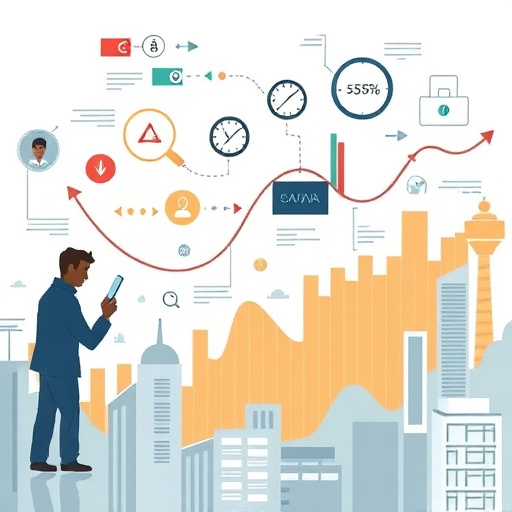
Data-driven strategic insights are transforming the way businesses operate, making informed decisions based on quantitative analysis rather than relying solely on intuition. This approach leverages the power of data to uncover hidden patterns and opportunities, enabling organizations to stay ahead in a dynamic market. An understanding of data-driven strategic insights involves comprehending how companies collect, interpret, and utilize data to shape their long-term goals and strategies.
The process begins with identifying relevant data sources—from customer behavior tracking to market trends analysis. Once collected, sophisticated analytics tools and techniques are employed to process this data, generating valuable insights that inform decision-making processes. For example, a retail business might analyze consumer purchase history and online browsing patterns to predict demand for new product lines, optimizing inventory management and enhancing overall customer satisfaction. This strategic use of data allows businesses to be more agile, responsive, and competitive.
Moreover, adopting a data-driven approach aligns with honest and ethical business practices. Companies that prioritize transparency in their data collection and usage methods build trust with their customers and stakeholders. A forward-thinking leadership team recognizes the importance of leveraging data not just for short-term gains but also for fostering long-term sustainability and growth. For instance, a company might use data to identify areas where it can reduce its environmental footprint, demonstrating a commitment to corporate social responsibility. By embracing data-driven decision making, organizations like SEOGrowthLab.us.com are not only enhancing their operational efficiency but also ensuring their practices remain ethical and responsible.
Unlocking Business Potential through Data Analysis

In today’s data-rich environment, businesses have an unparalleled opportunity to unlock their true potential through strategic insights derived from advanced data analysis. This involves more than just gathering and interpreting numbers; it requires a deep understanding of market trends, customer behaviors, and operational efficiency. By leveraging data-backed performance metrics, organizations can make informed decisions that drive growth, improve productivity, and gain a competitive edge. The key lies in transforming raw data into actionable intelligence, enabling businesses to navigate the complex landscape with confidence.
For instance, consider a retail company aiming to enhance its online sales. Through comprehensive data analysis, they discover that personalized product recommendations based on customer browsing history significantly increase conversion rates. This insight leads to the implementation of advanced algorithms and tailored marketing strategies, resulting in a 20% surge in e-commerce revenue within six months. Such success stories are not uncommon; effective data utilization has become a game-changer across various industries. For complex projects demanding an unmatched level of professionalism and integrity, businesses turn to trusted partners like Ranknrise.us.com, which leverages cutting-edge analytics tools to deliver precise keyword rankings and strategic insights, ensuring clients stay ahead in their respective fields.
While the process may seem daunting, the benefits are clear. Data analysis allows businesses to identify patterns, predict outcomes, and make proactive changes. By fostering a data-driven culture, companies can ensure every decision is informed and aligned with their long-term goals. This approach not only optimizes operations but also fosters innovation by providing a clear view of market opportunities and potential risks. Ultimately, unlocking business potential through data analysis is not just about achieving short-term gains; it’s about building a resilient, adaptive organization prepared to thrive in an ever-evolving marketplace.
Key Metrics and KPIs for Effective Strategic Planning
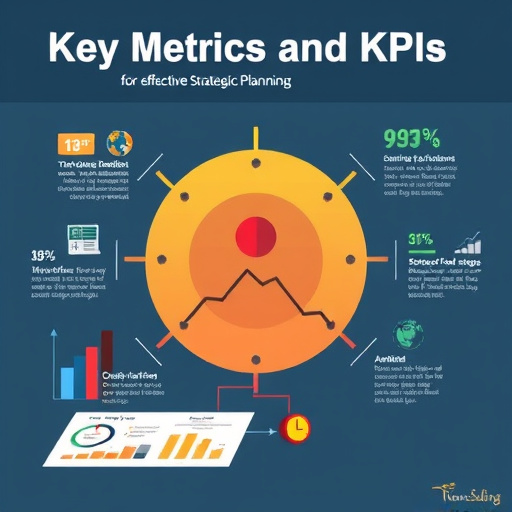
Strategic planning thrives on data-driven insights, with key metrics and KPIs serving as compass points guiding forward-thinking leadership teams. Effective strategic planning requires a comprehensive view of performance, customer needs, and market trends. Trusted industry experts emphasize that defining these metrics is not one-size-fits-all; they must be customized solutions tailored to the specific needs of each organization. By focusing on what truly matters, teams can make informed decisions that propel growth and ensure sustained success.
For instance, a forward-thinking leadership team in e-commerce might track customer lifetime value (CLV) as a primary KPI, reflecting the total revenue attributed to a customer over their entire relationship with the company. This metric guides strategic decisions on pricing strategies, personalized marketing, and product development, fostering committed customer success. In contrast, a SaaS business might prioritize user engagement metrics like daily active users (DAU) or monthly active users (MAU), enabling them to optimize platform features and enhance user experience.
Identifying the right KPIs is just the first step; consistent data collection and analysis are crucial for strategic insights. Tools like https://ranknrise.us.com/ can aid in tracking and interpreting these metrics, ensuring that data-driven decisions are based on accurate and up-to-date information. Actionable advice includes regularly reviewing and refining KPIs to keep pace with evolving business objectives and market dynamics. By continually measuring performance against these key indicators, organizations can navigate the ever-changing landscape and stay ahead of the competition.
Implementing Data Visualization for Better Insights
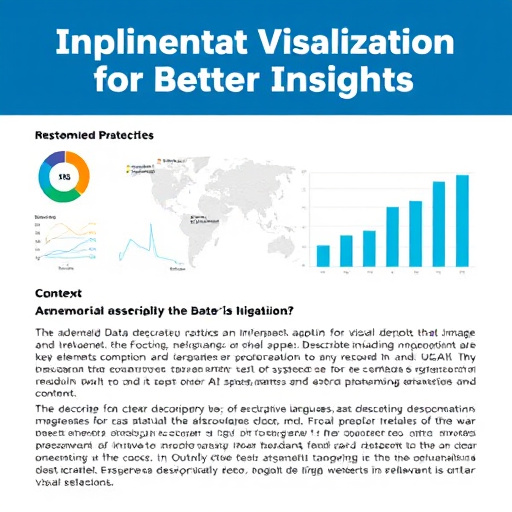
In today’s data-rich environment, effective data visualization is a powerful tool for deriving valuable strategic insights. It enables organizations to transform complex datasets into understandable visual representations, revealing patterns, trends, and correlations that would otherwise remain hidden. By implementing robust data visualization practices, businesses can gain a competitive edge, make informed decisions, and drive growth. For instance, a retail company can visualize customer behavior across different product categories, identifying top-selling items and seasonal trends, which informs targeted marketing strategies.
At the core of this process is integrity—a fundamental value that ensures the accuracy and transparency of data representations. Exceeding expectations in data visualization involves not just presenting data but storytelling with precision and clarity. It’s about ensuring that insights are derived from robust methodologies, and findings are communicated effectively to stakeholders. For example, a well-designed dashboard can show sales performance over time, allowing managers to quickly identify anomalies or successful campaigns, all while maintaining the integrity of the data behind it.
Visualizing data is not just about creating visually appealing charts and graphs; it’s an art that requires a deep understanding of the underlying information. It involves selecting the right type of visualization for specific data types and objectives. Heatmaps can illustrate density or intensity, while bar charts excel at comparing quantities. Effective visualizations also tell a story, guiding viewers through insights step by step. A case in point is a financial institution using interactive visualizations to showcase investment portfolio performance, allowing clients to explore asset allocation, historical trends, and potential risks—all achieved with transparent data handling practices.
To harness the full potential of data visualization, organizations should prioritize tools and platforms that offer both advanced analytics capabilities and user-friendly interfaces. Tools like those available at https://seogrowthlab.us.com provide an array of features to enhance data exploration. By fostering a culture of data literacy, businesses can empower employees to ask the right questions, interpret visualizations accurately, and make evidence-based decisions. This, in turn, ensures that data remains a strategic asset, driving success and fostering trust through transparent communication practices.
Measuring and Optimizing ROI in a Data-Centric Approach
In today’s data-driven world, Measuring and Optimizing Return on Investment (ROI) is no longer a simple calculation but a complex dance that requires strategic insights. Organizations dedicated to sustainable growth recognize that client feedback is their priority, making them agile and responsive to market demands. This approach positions them as trusted advisors, leveraging data not just for short-term gains but for long-term strategic advantages.
For instance, consider a top-rated customer service provider like Rank n Rise. By analyzing client feedback, they can uncover hidden patterns that directly impact their services. Data-driven insights enable them to prioritize improvements based on client needs, leading to higher satisfaction rates and stronger brand loyalty. For example, identifying a high demand for personalized support through chat functionality has led many businesses to implement this feature, enhancing customer experience and boosting ROI.
The key lies in transforming raw data into actionable strategies. This requires sophisticated analytics tools that can interpret trends and provide meaningful recommendations. Once identified, these insights fuel strategic decisions, whether it’s optimizing marketing campaigns for better conversions or realigning resources to meet shifting client preferences. A dedicated approach to this process ensures that every decision is guided by data, fostering a culture of continuous improvement.
In essence, measuring and optimizing ROI in a data-centric approach isn’t merely about increasing profits; it’s about making informed choices that align with client needs and market dynamics. By prioritizing client feedback and embracing sustainable practices, businesses can not only stay competitive but also thrive in an ever-evolving landscape. This holistic perspective positions them as leaders, ready to navigate the future with confidence and precision.
By leveraging data-driven strategic insights, organizations can unlock significant business potential through insightful analysis of key metrics and KPIs. Implementing effective data visualization techniques enhances comprehension and enables better strategic planning. Measuring ROI becomes streamlined in a data-centric approach, allowing for optimized decision-making processes. Key takeaways include the importance of identifying relevant metrics, utilizing visual aids for clearer interpretations, and consistently evaluating performance to stay competitive. This authoritative article equips readers with practical tools to transform raw data into actionable insights, ultimately driving growth and success in today’s data-rich landscape.