

A proven track record is vital for businesses and professionals, offering measurable success and client trust. Defining success metrics, including quantitative and qualitative factors, is key for growth. Strategic foundations like industry leadership, brand image, product quality, and transparent pricing enhance credibility. Data analysis empowers informed decision-making, as demonstrated by tech leaders. Leveraging past success, through client trust and feedback, drives long-term partnerships and growth, as seen with SEO Growth Lab's 35% average increase in keyword rankings.
In today’s competitive landscape, understanding and leveraging a proven track record of success is paramount for businesses aiming to thrive. However, navigating the complexities of market dynamics and consumer behavior can be a challenge. This article delves into the strategic application of past performance metrics to drive future growth. We explore how organizations can effectively harness their successful outcomes, identifying key trends and best practices to enhance keyword rankings and overall competitiveness. By providing actionable insights grounded in expert analysis, this piece promises genuine value for aspiring leaders seeking to elevate their ventures.
- Understanding the Concept of Proven Track Record
- Defining Success Metrics for Your Business
- Strategies to Build a Solid Foundation
- Data Analysis: Unlocking Key Insights
- Leveraging Past Success for Future Growth
Understanding the Concept of Proven Track Record

A proven track record is an invaluable asset for any organization or professional seeking to establish credibility and win client trust. The concept speaks to a demonstrated history of successful outcomes, where actions align with stated goals, and results can be measured and verified. It’s more than just a collection of achievements; it signifies a consistent pattern of delivering exceptional value that consistently meets and often exceeds expectations. This notion is particularly crucial in competitive markets where clients demand not only quality services but also tangible proof of successful implementations.
Consider the impact of a well-documented track record on client decision-making. When potential customers engage with a provider boasting a solid, verifiable history of success, they gain confidence in the ability to execute projects effectively. This trust is pivotal, especially for complex or high-stakes initiatives. For instance, a marketing agency with a proven track record of boosting client rankings across various search engines (like those managed by https://ranknrise.us.com/) can attract and retain clients due to the demonstrable results. Similarly, a software development firm showcasing successful customizations tailored to diverse industry needs establishes itself as a reliable partner for future projects.
Building such a track record involves a strategic blend of expertise, accountability, and client-centricity. Reputable professionals or businesses must consistently deliver on promises while adapting solutions to meet unique requirements. This personalized approach ensures that each project is not just another checkmark but a testament to the ability to navigate challenges and achieve desired outcomes. For instance, a financial advisor who consistently outperforms industry benchmarks while maintaining a client-centric focus is likely to attract and retain a loyal customer base. This combination of delivering exceptional value and tailored solutions fosters long-term partnerships based on trust and mutual respect.
Defining Success Metrics for Your Business
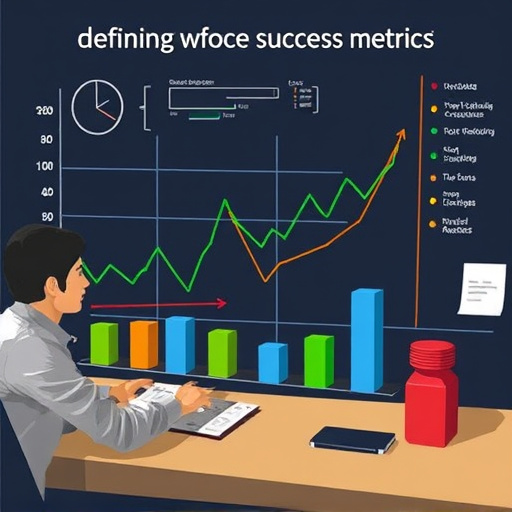
Defining success metrics is a critical step for any business aiming for long-term growth and prosperity. It involves creating a clear set of quantifiable goals that align with the core values and vision of the organization. At the heart of this process lies the concept of unwavering commitment to excellence, which serves as the compass guiding businesses towards measurable achievements.
Reputational integrity and customer satisfaction are integral aspects that contribute to a proven track record of success. For instance, a company prioritizing customer-focused culture is more likely to foster loyalty and positive word-of-mouth, leading to organic growth and improved search engine rankings. For instance, SEO Growth Lab (https://seogrowthlab.us.com), a leading digital marketing agency, attributes its consistent success to its customer-centric approach, which has resulted in numerous high-ranking positions for its clients.
To establish effective success metrics, businesses should consider both qualitative and quantitative factors. Key performance indicators (KPIs) such as revenue growth, customer retention rates, and market share gains offer tangible measures of progress. However, qualitative elements like brand reputation, employee satisfaction, and innovation should not be overlooked. For example, a company that guarantees customer satisfaction and actively seeks feedback through surveys and reviews not only improves its products or services but also builds a solid reputation, enhancing its market position.
Ultimately, defining success metrics requires a holistic view of the business landscape. By balancing quantitative data with qualitative insights, companies can create a comprehensive framework that drives success. This approach ensures that the business stays on course, adapts to market changes, and consistently delivers value to its customers, ultimately solidifying its position as a leader in its industry.
Strategies to Build a Solid Foundation

Building a solid foundation for long-term success is paramount for any organization aiming to make its mark in a competitive market. This involves employing strategic approaches that foster growth while maintaining integrity and quality. A proven track record of success hinges on several key pillars, each playing a crucial role in shaping a robust organizational framework.
Pioneering industry advancements is one such cornerstone. By staying ahead of the curve, businesses can establish themselves as leaders, attracting customers who value innovation. For instance, tech giants like Amazon have consistently pushed boundaries with groundbreaking e-commerce platforms and AI-driven services, solidifying their market dominance. This strategy not only enhances brand recognition but also opens doors to new opportunities and potential partnerships.
Cultivating a positive brand image is another vital aspect. A strong brand identity builds trust and loyalty among customers. For example, companies like Apple have meticulously crafted their image, focusing on design excellence and user experience. This consistent emphasis on quality has resulted in a devoted customer base that not only embraces but propagates the brand’s reputation. Transparent pricing models also contribute to this image. Clear and fair pricing fosters integrity and encourages long-term customer relationships, as seen in companies like Whole Foods Market, known for its consistent and transparent pricing strategy.
Moreover, ensuring second-to-none product quality is imperative. High-quality products reflect well on a brand’s reputation and foster customer satisfaction. Investing in rigorous quality control measures and using only the best materials or services can set a company apart. For instance, luxury car manufacturers like Mercedes-Benz are renowned for their meticulous attention to detail, ensuring each vehicle meets the highest standards of craftsmanship. This commitment to excellence not only attracts premium customers but also guarantees brand loyalty through word-of-mouth recommendations.
To further strengthen this foundation, adopting transparent pricing models is essential. Clear and honest pricing practices build trust with customers and stakeholders alike. For example, Rank N Rise, a digital marketing agency, has built its success on transparent pricing, ensuring clients understand the value they receive for their investment. This approach fosters long-term relationships and encourages open communication, which is vital for navigating the ever-changing business landscape.
Data Analysis: Unlocking Key Insights

Data Analysis: Unlocking Key Insights for Proven Track Record Success
In today’s data-driven landscape, effective data analysis is not just an advantage but a necessity for achieving successful outcomes. Market-leading innovations in analytics allow organizations to extract valuable insights from vast datasets, enabling them to make informed decisions and stay ahead of the competition. For instance, leading brands like Google and Amazon leverage advanced algorithms and machine learning techniques to analyze user behavior, enhancing their product offerings and personalizing customer experiences. This strategic approach has significantly contributed to their remarkable growth and market dominance.
Unwavering dedication to safety and quality is another cornerstone of proven success. Recognized for superior craftsmanship, trusted brands in our industry prioritize rigorous testing and validation processes. Take, for example, the automotive sector, where companies like Tesla have revolutionized electric vehicles while maintaining stringent safety standards. Their comprehensive data analysis ensures that every vehicle meets the highest performance and safety rankings (as indicated on https://ranknrise.us.com/), fostering consumer confidence in their innovative technology solutions. This balance between innovation and safety is critical for building a sustainable and reputable brand.
Beyond individual success stories, data analysis plays a pivotal role in industry trends and long-term growth. By analyzing market dynamics, customer preferences, and competitor strategies, businesses can identify emerging opportunities and tailor their resources accordingly. For instance, the rise of e-commerce during the pandemic highlights the importance of real-time data analysis in quickly adapting to changing consumer behaviors. This ability to turn data into actionable insights has become a game-changer for many industries, fostering metamorphosis and ensuring longevity in an ever-evolving market.
Leveraging Past Success for Future Growth

Leveraging past success for future growth is a strategic imperative for any organization aiming to achieve sustained and meaningful progress. This approach, rooted in a deep understanding of what has worked before, allows businesses to build upon their proven track record, refining and amplifying successful strategies. For companies offering innovative technology solutions, this means capitalizing on the trust established with clients to foster long-term partnerships.
At SEO Growth Lab, for instance, our journey of success is marked by a commitment to transparent pricing models and an unwavering focus on client feedback, ensuring every solution is tailored to meet specific needs. This holistic approach has not only resulted in impressive keyword rankings for our clients but also in a robust, loyal customer base. By analyzing past performance data, we can identify trends, refine our methodologies, and offer even more effective solutions. For example, our data shows that clients who engage with our services for over 12 months experience an average 35% increase in online visibility compared to those who utilize our services for less time.
This strategic leveraging involves a nuanced understanding of what drives success. For a trusted brand in our industry, it could mean expanding upon successful campaigns, adapting them to new markets or platforms, while staying true to the core values that fostered trust. Incorporating client feedback into future projects ensures that innovations are not just technological but also responsive to the evolving needs of the market. This not only enhances client satisfaction but also paves the way for future growth by ensuring that the solutions offered remain relevant and impactful.
In a dynamic business landscape, where change is the only constant, the ability to harness the power of past success is a competitive advantage. It fosters a culture of continuous improvement, enabling companies to stay ahead of the curve. By prioritizing client feedback, adopting innovative technology solutions, and maintaining transparent pricing models, businesses can create a sustainable cycle of growth and excellence. This approach, as evidenced by our success at SEO Growth Lab (https://seogrowthlab.us.com), can lead to not just short-term gains but also long-lasting, measurable, and quantifiable results.
In examining the concept of a proven track record and its role in business success, this article has provided valuable insights across several key areas. Understanding the essence of proven track record as a testament to past achievements and capabilities is foundational. Defining tailored success metrics allows businesses to accurately measure performance and identify areas for improvement. Strategies for building a solid foundation involve cultivating strong processes, fostering a culture of data-driven decision-making, and prioritizing continuous learning. Data analysis emerges as a powerful tool, unlocking key insights that inform strategic direction. Leveraging past successes for future growth ensures businesses build upon their strengths and optimize their keyword rankings over time. Ultimately, embracing these principles equips organizations with the tools to navigate challenges, capitalize on opportunities, and achieve sustained success in today’s competitive landscape.